
Strategic Impact of Financial Wellness: A Step-by-Step Plan for HR Decision Makers in the Philippines
Financial stress costs Philippine employers 19.5 workdays per employee annually. Discover a step-by-step plan for HR leaders to boost productivity and retention through financial wellness.
FINANCIAL WELLNESS PROGRAM
David Isaiah Angway
1/11/20263 min read


Financial stress is a critical yet often underrecognized challenge facing the Filipino workforce. According to Philstar.com, employers lose an average of 19.5 workdays per full-time employee annually to this issue—a significant cost to organizational productivity.
As HR leaders, you are uniquely positioned to address this risk and drive positive change by championing employee financial well-being. Financial wellness workshops are a proven, strategic solution to elevate productivity, retention, and workplace culture.
This guide offers a practical, step-by-step plan designed specifically for HR decision makers, ensuring you can implement effective solutions with clarity and confidence.
Financial wellness workshops deliver targeted financial literacy training to help employees manage debt, save money, and reduce reliance on loans (MantraCare, n.d.). These programs reduce stress and help employees stay focused and productive.
Consider Juan, a 35-year-old employee in Manila. His ongoing worries about bills and debt reflect the everyday reality for many in your organization.
Such financial worries cause distraction and reduce productivity. Financial wellness initiatives equip employees like Juan to regain control—delivering measurable improvements in performance, morale, and focus.


1. Enhanced Productivity: Financial stress undermines productivity—76% of stressed employees say money issues reduce their focus (PwC, 2022). Financial wellness workshops empower employees to manage money confidently, resulting in higher engagement, lower absenteeism, and better job satisfaction. Set clear, measurable objectives for stress reduction to accelerate business results.
2. Talent Attraction & Retention: Financial wellness programs differentiate your employer brand. According to MetLife, 64 percent of employees reported feeling well in terms of their financial health, while companies offering these types of benefits may also experience improvements in employee recruitment and retention.
3. Financial Empowerment & Security: Use this simple, scalable framework:
• Assess: Survey employees to identify financial literacy gaps with tools like the Financial Literacy and Education Commission’s Toolkit.
• Educate: Provide targeted workshops on budgeting, debt management, and other priority topics.
• Measure: Track feedback and KPIs to ensure sustained impact and continuous improvement.
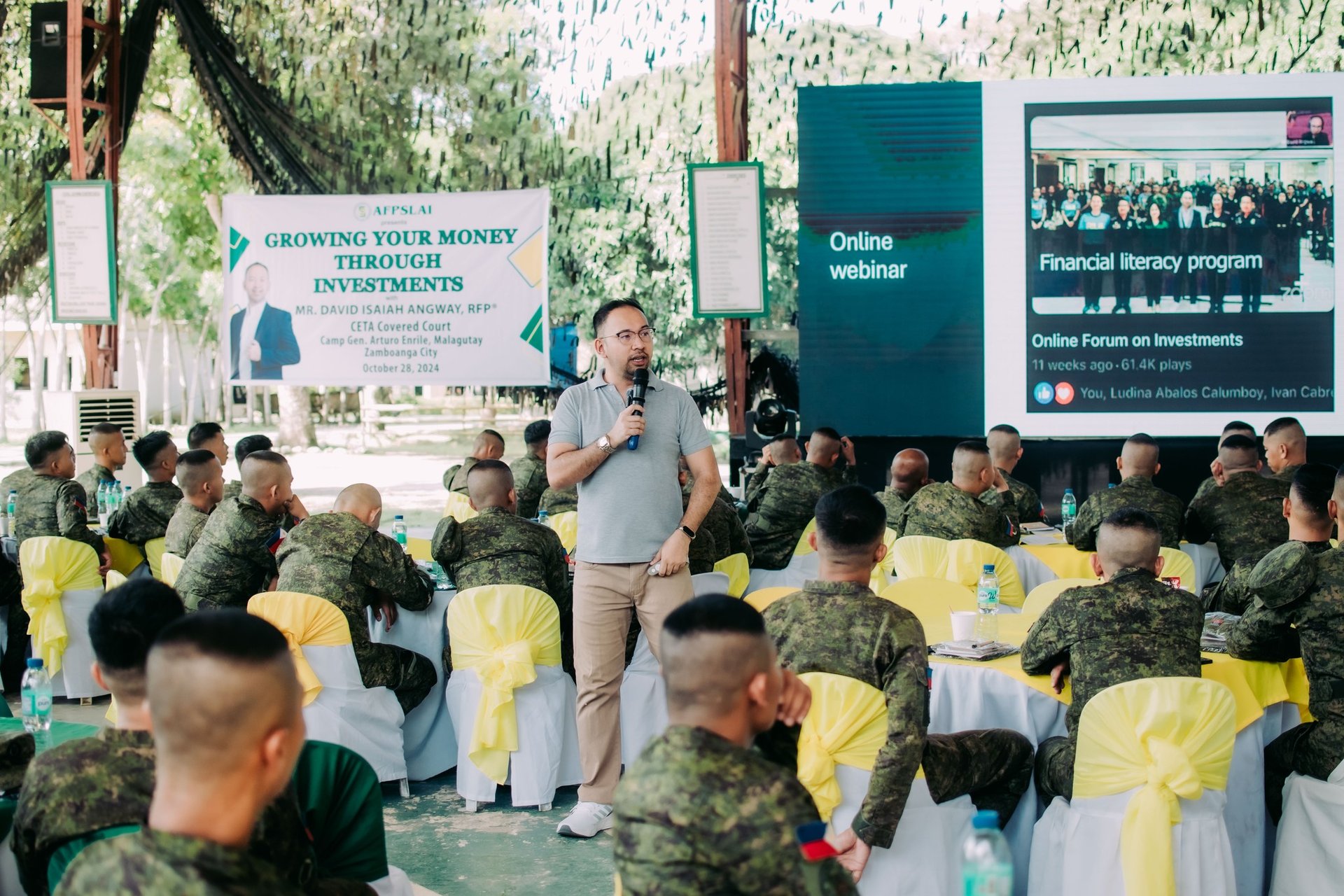
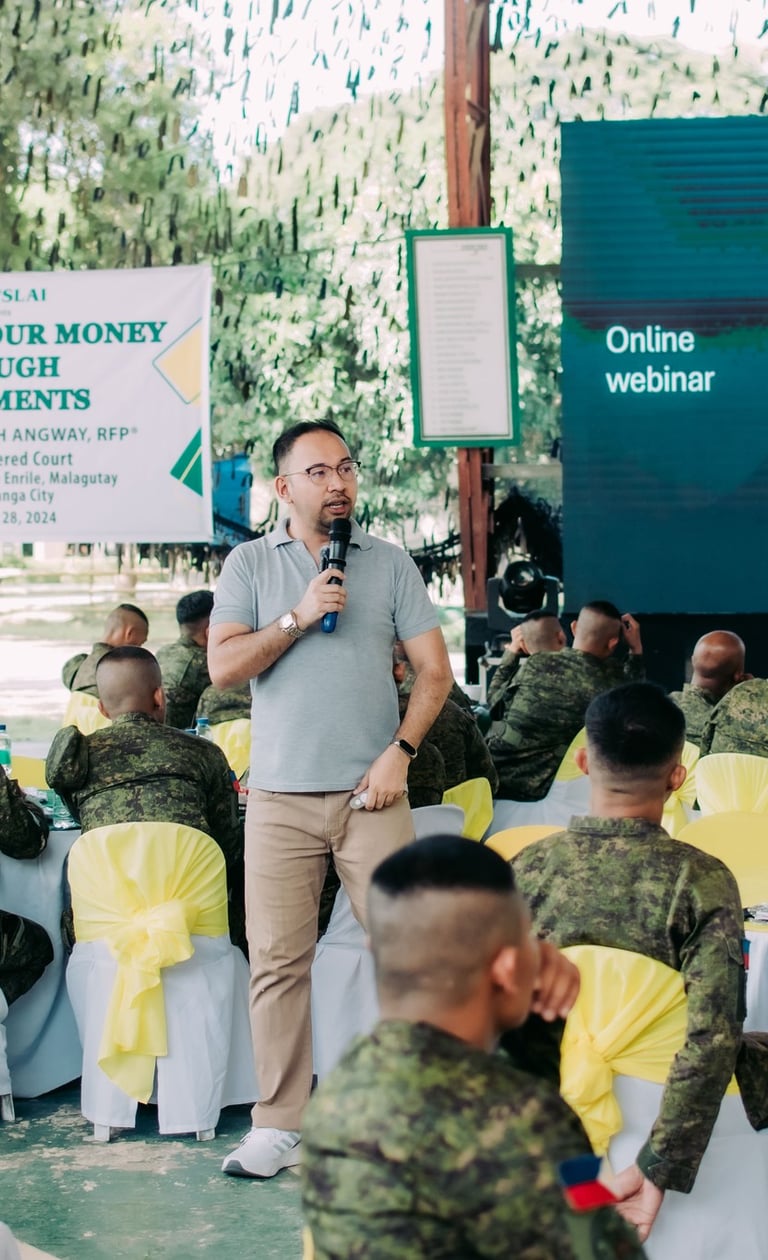
A study of team leaders in Davao City’s BPO organizations highlights the importance of addressing financial stress at the department level before expanding initiatives throughout the company. According to research by Sobrejuanite and colleagues, starting with targeted workshops on topics like budgeting, debt management, and retirement planning can be especially effective.
Financial concerns also affect mental health. Manulife Philippines reports that 98% of Filipinos have at least one health-related anxiety, with 49% worried about treatment costs. Supporting financial wellness is a strategic HR priority to address both financial and mental well-being.
4. Stronger Workplace Culture: Financial wellness investments reinforce your organization’s values, driving higher morale, loyalty, and team cohesion.
Prioritizing employee financial wellness improves relationships, teamwork, and organizational performance. By championing these programs, HR leaders drive measurable impact in productivity, retention, engagement, and well-being.
Anticipate challenges—budget, engagement, and measurement. Involve key stakeholders early, tailor solutions to workforce needs, and define success metrics from the start. Strategic planning ensures your financial wellness initiatives deliver maximum ROI.
References
Insider Philippines. (December 15, 2025). Poor mental health costs P68.9B annually to the PH workforce. https://insiderph.com/poor-mental-health-drains-p689b-yearly-from-ph-workforce-output
MantraCare. (n.d.). Employee Financial Assistance Program in the Philippines. https://mantra.care/philippines/employee-financial-assistance/
SAVii. (n.d.). Financial Stress: The Quiet Culture Killer. https://ccap.ph/wp-content/uploads/2023/10/SAVii-Whitepaper-Financial-Stress-The-Quiet-Culture-Killer-1.pdf
Philstar.com. (September 27, 2023). 8 things Philippine HRs should know about workers’ financial stress. https://www.philstar.com/business/business-as-usual/2023/09/27/2297966/8-things-philippine-hrs-should-know-about-workers-financial-stress
CHC Workforce. (n.d.). Financial Wellbeing Resources Are Vital to Healthcare Workers. https://chcworkforce.org/wp-content/uploads/2023/03/Financial-Wellbeing-Healthcare-Workers.pdf
Sobrejuanite, G. C., Villanueva, D. G., Mandin, K. D. & Doromal, B. W. (2025). The influence of financial stress on team leaders' financial well-being. Journal of Governance and Integrity, 8(1), 850-861. https://doi.org/10.15282/jgi.8.1.2025.11522
BPI. (2025). Employee Well-Being and Financial Wellness. https://www.bpi.com.ph/about-bpi/news/employee-financial-wellness-and-well-being
SAVii PH. (2025). Master Money Together: Building Financial Teamwork in the Office. https://savii.io/ph/education/employees/master-money-together-building-financial-teamwork-in-the-office
© 2026 David Angway